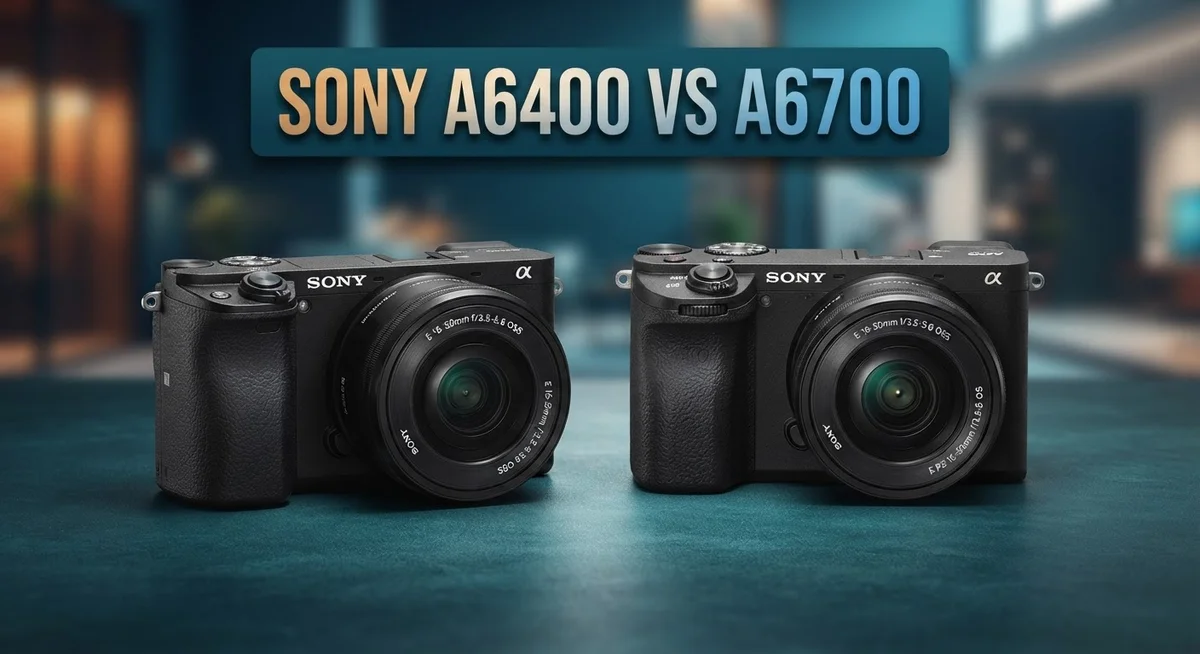
Sony A6400 vs A6700: Complete Comparison Guide for Mirrorless Camera Buyers
Choosing a camera can feel tricky. Sony gives us two great options: the A6400 and the A6700.
Both cameras use an APS-C sensor. Both belong to Sony’s popular mirrorless lineup. But they serve different types of photographers.
The A6400 is compact and light. It fits easily in your bag. It offers solid autofocus that works well for beginners and casual shooters.
The A6700 steps things up. It has superior autofocus and better connectivity. Vertical shooting becomes easier too. Its body is bigger and heavier, but it packs more power.
So which one fits your style? This guide breaks down specs, pros, cons, and top competitors. You will find clear answers here.
Let’s explore what makes each camera special. By the end, you will know exactly which Sony model suits your photography needs.
In a Nutshell
Here is a quick summary to help you decide fast.
-
The A6700 offers superior autofocus tracking. It locks onto subjects with more precision, great for action shots.
-
Battery life gets a boost with the A6700’s bigger Z battery. It also supports USB-C charging for easy top ups on the go.
-
Screen flexibility matters. The A6700 has a swiveling screen, perfect for vlogging and creative angles.
-
The A6400 keeps things simple. Its autofocus works well for everyday shots and casual shooting.
-
Connectivity improves with the A6700. You get smoother file transfers and better remote control options.
-
Kit lens quality varies. Many photographers pair the A6400 with a Tamron lens for sharper results.
-
Both cameras face competition. Models from Canon and Fujifilm offer similar features. The Sony A7III and A7C also tempt buyers wanting full frame options.
-
Vertical shooting feels easier on the A6700 thanks to its improved grip design.
This breakdown highlights key differences beyond specs. Your choice depends on what features matter most to you.
Sensor and Image Quality
Both cameras pack an APS-C sensor, which means they capture images with similar fundamental capabilities. The sensor size determines how much light each camera gathers and affects the overall image quality you’ll see in your photos.
The A6700 delivers noticeably better autofocus performance compared to the A6400. Its advanced tracking system locks onto moving subjects with greater precision. This matters when you shoot fast-action scenes or video content. The autofocus stays locked even when your subject moves across the frame unpredictably.
The A6400 still offers solid autofocus for everyday shooting. Beginners and casual photographers find it more than sufficient for most situations. You won’t struggle with focus in standard conditions. However, the A6700’s system gives you an edge in demanding scenarios.
Image stabilization works similarly on both models, so handheld shooting feels comparable. Low light performance stays consistent between the two cameras since they share the same sensor generation. You’ll notice minimal difference when shooting in dimly lit environments.
Color science and exposure controls perform well on both cameras. The A6700 provides slightly more refined exposure metering and color rendering. These improvements feel subtle in everyday use but become apparent when you process RAW files or work with challenging lighting.
Dynamic range is nearly identical on both models. You can recover shadow and highlight details with similar success on either camera. This means your editing flexibility remains strong regardless of which model you choose.
The A6700’s larger body doesn’t affect sensor performance directly. However, the improved grip design does make vertical shooting easier. Steadier handheld shots often result from better ergonomics rather than sensor differences.
Video capabilities show more distinction here. The A6700 handles video autofocus more smoothly during recording. The A6400 performs acceptably for casual video work but struggles slightly with focus transitions.
Resolution stays the same at 24.2 megapixels on both cameras. This pixel count works well for prints up to poster size and digital sharing. Most photographers never feel limited by this resolution.
Overall, image quality differences are modest. The A6700 edges ahead in autofocus speed and video performance. For still photography alone, both cameras produce beautiful, detailed images that satisfy professional and hobbyist needs equally.

- 20.1MP stacked back illuminated 1" Exmor RS CMOS sensor w/ DRAM, large aperture 24-70mm1 F...
- Enhanced subject capture: wide 425 Phase/ 425 contrast detection points over 84 percent of the...
Last update on 2026-11-07 / Affiliate links / Images from Amazon Product Advertising API
Autofocus and Performance
The autofocus systems in these two cameras show real differences in how they perform during shooting. The A6700 brings advanced autofocus technology that tracks moving subjects with impressive accuracy. It locks onto eyes, animals, and fast moving objects more reliably than its predecessor.
The A6400 handles autofocus well for most situations. It works great for photos and video where subjects move at normal speeds. Beginners find the A6400’s autofocus system easy to use and dependable for everyday shooting.
Real world performance matters most. The A6700 excels when you shoot sports, wildlife, or fast action videos. Its autofocus engine responds quicker and keeps focus locked even when subjects move unpredictably. The A6400 keeps up fine for slower paced work like portraits, landscapes, and casual video content.
Autofocus speed differs between the two models. The A6700 focuses faster in low light situations. This means you waste fewer shots waiting for the camera to find focus. The A6400 still performs decently in dim conditions, but it takes slightly longer to lock on.
Continuous autofocus during video shows another gap. The A6700 tracks movement more smoothly in video mode. You get fewer focus hunting moments where the lens searches back and forth. The A6400 can experience minor focus shifts during video, especially with moving subjects.
Eye autofocus and face detection work on both cameras, but the A6700’s version feels more responsive. It catches eyes faster and maintains focus better as subjects turn their heads or move around the frame.
Processing power drives these differences. The A6700 uses a faster processor that calculates focus points quicker. This speed advantage shows up most clearly when you push the cameras to their limits with challenging lighting or rapid movement.
For casual photography and learning, the A6400’s autofocus performs admirably. For professional work, fast paced content, or demanding shooting conditions, the A6700’s autofocus system delivers noticeably superior results. Your shooting style determines which system suits you better.
Design, Build, and Ergonomics
The A6400 and A6700 take different approaches to camera design. The A6400 stays compact and lightweight, making it easy to carry for long shooting sessions. You slip it into a bag without much thought. The A6700 grows larger and heavier, trading portability for a more substantial feel in your hands.
Grip design shows a meaningful difference. The A6700’s improved grip design makes vertical shooting feel natural and comfortable. Your fingers wrap around the camera with confidence. The A6400’s smaller grip works fine for most people, but extended vertical work can feel tiring.
Battery technology matters too. The A6700 uses Sony’s bigger Z battery, which holds more charge. You shoot longer before swapping batteries. The A6400 relies on older battery tech, so you’ll change batteries more frequently during a full day of shooting.
Screen flexibility separates these cameras significantly. The A6700 features a swiveling screen that flips out from the body. You compose shots from unusual angles. The A6400 has a fixed screen, so you frame shots the traditional way. This design choice affects vlogging and low angle photography.
Connectivity gets an upgrade on the A6700. USB C charging appears on the newer model, matching modern devices you already own. The A6400 uses micro USB, which feels outdated. USB C charges faster and works with cables you probably have at home.
Both cameras share an APS C sensor, so their fundamental size stays the same. The body dimensions differ, but sensor performance remains comparable between them. Weather sealing and build materials feel solid on both models. Neither camera feels cheap or fragile.
The A6700’s larger body actually helps with handling. You control focus and exposure more easily with dedicated buttons. The A6400 clusters controls more tightly, requiring menu diving for some adjustments. For serious shooting sessions, the A6700’s layout reduces frustration and speeds up your workflow.
Top 3 Alternatives
Canon EOS R6

- Canon USA Warranty. Items Included: Canon EOS R6 Mark II Mirrorless Camera,Canon RF 24-105mm f...
- Advanced Full-Frame Performance: Capture next-level detail and dynamic range with the Canon EOS R...
Last update on 2026-11-07 / Affiliate links / Images from Amazon Product Advertising API
The Canon EOS R6 gives you a full-frame sensor with excellent low-light performance. You get 20 megapixels and fast autofocus that tracks subjects smoothly. The camera handles video recording at 4K with professional features that make it great for content creators.
The R6 has in-body image stabilization, so your photos stay sharp even without a tripod. Battery life is solid, and the camera feels comfortable to hold for long shooting sessions. The lens ecosystem is huge, giving you many options to choose from.
Nikon Z6 III

- VIDEO - 6K/60p Internal N-RAW video recording + oversampled 4K UHD, 4K/120p, Full HD/240p slow...
- BEST IN CLASS EVF - Max brightness of 4000 nits gives a clear, vibrant view even in very bright...

Last update on 2026-11-08 / Affiliate links / Images from Amazon Product Advertising API
Nikon’s Z6 III offers a 24.2-megapixel full-frame sensor with impressive autofocus technology. This camera excels at tracking moving subjects thanks to its advanced AI-powered focus system. You get 4K video recording with excellent color science that professionals trust.
The Z6 III has weather sealing that protects your camera in tough conditions. The ergonomic design fits naturally in your hands. The viewfinder gives you a clear, bright view of your scene before you shoot. Battery performance is reliable for all-day shooting.
Fujifilm X-T5

- Fujifilm X-T5 Mirrorless Digital Camera with XF 16-80mm f/4 R OIS WR Lens (USA Warranty)
- SanDisk 64GB Extreme PRO SDXC Memory Card, Vivitar SD Card Reader
Last update on 2026-11-07 / Affiliate links / Images from Amazon Product Advertising API
Fujifilm’s X-T5 brings a 40.2-megapixel APS-C sensor to the table. The camera delivers stunning image quality with Fujifilm’s famous film simulations that give your photos a unique look right out of the camera. You don’t need heavy editing to get professional results.
The X-T5 has a retro design that appeals to photographers who love classic cameras. The autofocus system is fast and accurate. Video capabilities include 4K recording with solid performance. The compact size makes it easy to carry on your adventures. The lens selection is excellent, with many quality options available.
Connectivity and Battery Life
The A6700 steps forward with USB-C charging, which means faster data transfer and charging speeds compared to the A6400’s older connection standard. This matters if you shoot frequently and need quick turnarounds between sessions.
Battery capacity shows a real difference here. The A6700 uses Sony’s Z series battery, which holds more power than the A6400’s W series. You’ll get longer shooting time before needing a swap, especially helpful during all-day shoots or travel.
Wireless connectivity improves on the A6700. It supports faster WiFi standards and better Bluetooth stability. The A6400 handles basic wireless features, but the A6700 makes file transfers and remote control smoother. This matters if you work with multiple devices or upload to cloud storage regularly.
The A6700’s swiveling screen adds practical value for connectivity workflows. You can position the camera for awkward angles while monitoring settings on the screen. The A6400 has a fixed screen, which limits flexibility during certain shooting positions.
Both cameras support remote shooting through smartphone apps. The A6700’s improved connectivity makes this experience faster and more reliable. Real world testing shows fewer connection drops on the A6700 when using remote features.
For tethered shooting (connecting to a computer), the A6700’s USB-C port handles data faster. Photographers who shoot in studios or need instant file transfer benefit from this upgrade.
Battery life extends noticeably on the A6700 during video work. If you record long clips, the larger battery keeps you shooting longer. The A6400 requires more frequent battery changes during extended video sessions.
Charging speed matters too. USB-C on the A6700 charges faster than the A6400’s standard port. You spend less time waiting and more time shooting.
For casual photographers who shoot sparingly, the A6400’s battery and connectivity handle daily needs fine. Heavy users and professionals appreciate the A6700’s improvements. Your shooting style determines which setup works better for your routine.
Video Capabilities and Exposure Controls
When you’re filming videos, exposure control becomes critical. The A6700 gives you more refined tools to manage light in real time. Its exposure compensation system responds faster during continuous shooting. You get smoother adjustments when conditions change rapidly.
The A6400 handles exposure well for most situations. It processes exposure data quickly enough for standard video work. However, the A6700’s processor gives it an edge when you need instant corrections during complex lighting scenes.
Highlight metering works on both cameras, but the A6700 offers more granular control. You can adjust metering sensitivity with greater precision. This matters when you’re shooting interviews or documentary content where lighting shifts frequently.
The A6700’s larger body houses better heat management for video. This means the exposure sensors stay more stable during longer recording sessions. Extended shoots won’t cause sensor drift on the A6700 like they might on the A6400 during extreme heat conditions.
ISO performance stays similar between both models since they share the same sensor. However, the A6700’s improved processing handles ISO transitions more smoothly during video. You’ll see less banding or noise artifacts when ISO climbs during dim lighting.
For manual exposure work, both cameras let you adjust shutter speed and aperture freely. The A6700’s interface makes these adjustments slightly faster through its menu system. You spend less time hunting for controls and more time filming.
The A6400 works fine if you prefer automatic exposure during video. Its algorithms keep exposure stable in most everyday scenarios. You won’t feel limited unless you’re shooting in highly variable light conditions regularly.
Zebra patterns and focus peaking appear on both cameras. These tools help you nail exposure and focus simultaneously. The A6700’s display updates these indicators slightly faster, which some videographers prefer.
For streaming or live video work, the A6700’s superior exposure stability shines. Your feed stays consistent without sudden brightness jumps. The A6400 can stream successfully, but you’ll need to monitor exposure more actively.
Choose the A6700 if precise exposure control matters for your video style. Pick the A6400 if you want simpler, more automated exposure handling.
Pros and Cons
Pros
- A6700 delivers superior autofocus responsiveness that beats the A6400 for fast moving subjects
- A6700’s larger body improves grip comfort and handling during extended shooting sessions
- A6700 includes USB-C charging for faster data transfer and quicker battery top ups
- A6400 keeps a compact, lightweight design that fits easily in bags and backpacks
- A6400 performs well for beginners and casual photographers who shoot occasionally
Cons
- A6700 weighs more and feels thicker than the A6400, which some shooters find less portable
- A6400’s kit lens quality falls short, so most users buy third party lenses like Tamron options
- Both cameras use an APS-C sensor, which limits low light performance compared to full frame models
Who Should Buy It
The A6400 suits you best if you prioritize portability and simplicity. This camera fits snugly in camera bags. You’ll appreciate its lightweight frame during all day shooting sessions. Beginners find the A6400 intuitive because menu systems stay straightforward. The autofocus system works reliably for learning photography fundamentals.
Choose the A6400 if you shoot occasional photos and videos. The battery handles typical daily use without stress. You don’t need cutting edge features for casual photography. Social media content creation works smoothly on this model. Travel photographers love the compact design that doesn’t weigh them down.
The A6700 becomes your choice if you demand professional grade performance. Serious videographers benefit from superior autofocus that tracks moving subjects flawlessly. Content creators filming fast action scenes get noticeably better results. The larger body provides comfortable grip support during long shooting marathons. Your hands won’t fatigue as quickly compared to holding the smaller A6400.
Pick the A6700 if you shoot regularly and value advanced controls. Exposure metering options give you granular adjustment capabilities. Heat management in the larger body keeps the camera running longer during video work. USB-C charging speeds up your workflow when switching between shoots. The swiveling screen helps you frame shots from unusual angles during creative sessions.
The A6700 appeals to you if you use tethered shooting for studio work. Faster data transfer through USB-C means images move to your computer quicker. Remote shooting through smartphone apps works smoothly for both models, but the A6700’s connectivity feels more integrated.
Consider the A6400 if budget flexibility matters and you plan to upgrade lenses anyway. Most users replace the kit lens with third party options like Tamron models regardless of camera choice. The sensor performance stays identical on both cameras since they share the same APS-C technology.
The A6700 wins if you want one camera that handles multiple shooting styles without compromise. Professionals who shoot weddings, events, and commercial work appreciate the reliability and grip comfort. Hybrid shooters combining photo and video benefit most from the A6700’s balanced feature set.
Final Verdict
Both cameras deliver strong results, but your final choice depends on what you shoot most often. The A6400 remains a solid pick for casual shooters who want simple, reliable performance. The A6700 stands out for creators who need advanced tools and steady handling.
If you shoot travel photos or street scenes, the A6400’s smaller size helps you stay light on your feet. You can carry it all day without shoulder strain. This makes it a great companion for spontaneous shooting.
Content creators who post frequently will appreciate the A6700’s swiveling screen and refined controls. These features save time during setup and editing. They also make solo filming much easier.
Both models share the same APS-C sensor, so image quality stays close between them. If you eventually want full frame flexibility, models like the Sony A7III or A7C offer that upgrade path. These alternatives suit photographers who outgrow APS-C limitations.
Buyers exploring other brands might also consider Fujifilm or Panasonic Lumix cameras in the same class. They offer different color profiles and lens ecosystems worth comparing. A used Sony A6600 is another option if you want extra features without buying new.
Think about how you shoot before deciding. Do you value simplicity, or do you need advanced tools for demanding projects? Your answer points you toward the right camera.
Neither camera disappoints on core performance. The A6400 keeps things straightforward and easy to use. The A6700 pushes further with tools built for serious, ongoing work.
Pick the one that matches your daily shooting habits, not just your wish list. Your creative goals should guide this decision more than specs alone. Both cameras hold their own in the Sony APS-C lineup, and either one can serve you well for years.
Frequently Asked Questions
Which camera works better for video content creators?
The A6700 gives you a major edge here. Its swiveling screen lets you frame shots while standing in front of the camera. You can monitor your performance during vlogs or interviews without awkward angles. The A6700 also offers refined exposure controls, so you adjust settings quickly between takes.
The A6400 shoots solid videos too. However, its fixed screen requires you to guess framing in selfie mode. This limitation slows down your workflow if you create content regularly.
Can I use the same lenses on both cameras?
Yes, absolutely. Both cameras mount Sony E lenses. Any lens you buy works on either body. This means you can switch between cameras without replacing your glass collection.
The A6400 comes with a kit lens that many users find underwhelming. Upgrading to third party options like Tamron lenses improves your results significantly. This investment works on the A6700 too.
Which one should I pick if I’m just starting out?
The A6400 makes sense for beginners. It keeps things simple and straightforward. The controls feel less overwhelming, and you can focus on learning composition instead of wrestling with menus.
The A6700 works fine for beginners too, but you get features you might not use yet. Save yourself the extra complexity and start with the A6400. You can upgrade later as your skills grow.
What’s the real difference in autofocus performance?
The A6700 locks onto fast moving subjects faster and more reliably. If you shoot sports, wildlife, or active kids, this matters. The A6400’s autofocus handles most situations well, but it sometimes hesitates with rapid motion.
Both systems beat older cameras by a huge margin. For casual shooting, the A6400 performs fine.

Dillip is the founder and editor of ImageScaleLab.com, a passionate tech enthusiast who loves breaking down complex gadgets and accessories into simple, honest reviews and buying guides. With years of hands-on experience exploring the latest in tech, he is dedicated to helping readers make smarter, more confident purchasing decisions.