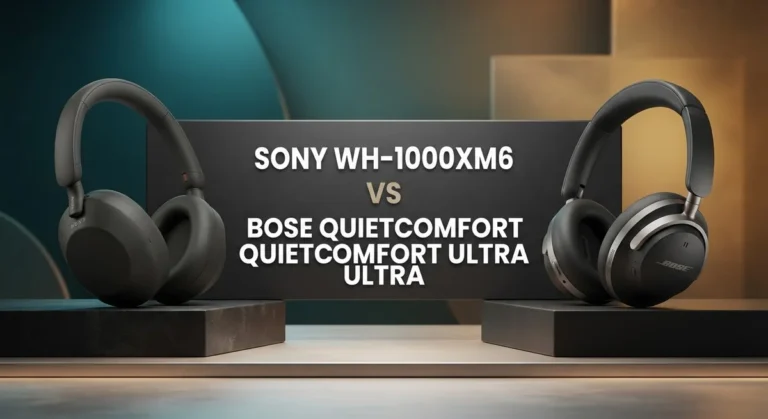
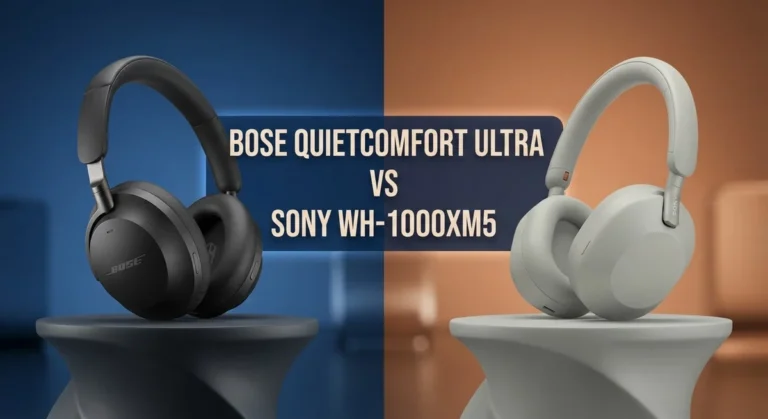
Bose QuietComfort Ultra vs Sony XM6: Complete Comparison Guide
Picking new headphones can feel tricky. Two names always come up: Bose QuietComfort Ultra and Sony XM6. Both promise great sound and quiet spaces.
But which one fits your life better? That’s the real question.
Bose focuses on comfort. It stays put on your head and feels light for hours. It also looks sleek and simple.
Sony pushes hard on tech. It offers the best noise cancelling and transparency modes. You get more control over sound and touch settings too.
Each pair shines in different ways. One wins on feel. The other wins on features.
This guide breaks down the details you need. We compare comfort, noise cancelling, and smart tools side by side.
By the end, you will know which headphone matches your daily needs. Let’s jump into the full comparison.
In a Nutshell
Here’s the quick scoop on both headphones. Check these key points before you decide.
-
Sony XM6 leads in noise cancellation. It blocks 87% of outside noise on average. That beats the Bose number by a small margin.
-
Bose QC Ultra wins on comfort. It stays in place better during movement. Your ears feel less pressure over time.
-
Sony offers more control. You get a tweakable EQ and smart touch features. Bose keeps things simple with fewer software options.
-
Bose looks sleeker. Many users prefer its clean design. It also feels lighter on your head during long sessions.
-
Sony’s ear cups are larger. This can cause discomfort for some users. Your head might feel sore after extended wear.
-
Both headphones perform well. The real difference comes down to your priority. Pick Sony for tech and control. Pick Bose for comfort and fit.
This match is genuinely close. Your final choice depends on what matters most to you. Think about how you use headphones daily before deciding.
Noise Cancellation Performance
Noise cancellation is where these two headphones show their real strengths. The Sony XM6 delivers 87% average noise reduction, while the Bose QC Ultra achieves 85%. That 2% gap sounds small, but it matters in real life.
Sony’s advantage comes from its larger ear cup design. Bigger cups create a better seal around your ears. This seal blocks more ambient sound before it reaches your eardrums. You’ll notice the difference on airplanes, trains, and busy streets. The Sony also excels at transparency mode, letting you hear your surroundings when you need to.
Bose takes a different approach to noise cancellation. Instead of relying purely on seal size, Bose uses smart algorithms to detect and cancel unwanted sounds. The performance is nearly identical to Sony in most environments. Many users report they cannot hear a meaningful difference during daily use.
The real test happens during extended listening sessions. Sony’s larger cups create more pressure on your ears over time. Some people find this uncomfortable after several hours. Bose’s lighter design means less fatigue, even though the noise cancellation is slightly lower.
Your environment matters most. If you fly frequently or work in loud offices, Sony’s extra 2% reduction becomes noticeable. If you use headphones for casual listening at home or the gym, both perform equally well. The Sony also lets you adjust noise cancellation levels more precisely through its app.
Bose keeps things simpler. You get excellent noise cancellation without fiddling with multiple settings. The headphones adapt automatically to your surroundings. This simplicity appeals to users who want to put on headphones and forget about controls.
Neither headphone disappoints in noise cancellation. Sony edges ahead in raw performance and customization options. Bose matches the real world experience while keeping your ears comfortable. Your choice depends on whether you prioritize maximum noise blocking or all day comfort without adjustment fatigue.

- BREAKTHROUGH SPATIALIZED AUDIO: Super immersive sound spatializes everything, taking the music out...
- NOISE CANCELLING HEADPHONES: Enjoy Bose’s best noise cancellation for headphones with Quiet Mode...

Last update on 2026-11-08 / Affiliate links / Images from Amazon Product Advertising API
Comfort and Fit
When you wear headphones for hours, comfort becomes everything. The Bose QC Ultra excels here. It sits lighter on your head and ears stay relaxed even during long work sessions or travel days. The design feels less intrusive, and many users report they forget they’re wearing them.
Sony’s XM6 takes a different path. The larger ear cups create a stronger seal for noise blocking, but this comes with a trade off. Some listeners experience mild discomfort or pressure during extended wear. The headphones can shift slightly, requiring occasional readjustment.
Fit stability matters more than you’d think. The Bose QC Ultra grips your ears better and stays in place through movement. Whether you’re walking, turning your head, or working at your desk, these headphones remain secure. Sony’s larger cups sometimes slip, especially if you move around frequently.
Head clamping force differs between the two. Bose applies gentle but firm pressure that feels natural. Sony’s clamping is slightly stronger, which helps with the seal but can feel tighter on some head shapes. People with smaller heads or sensitive ears often prefer the Bose approach.
Ear cup padding tells a real story here. Bose uses softer materials that feel plush against your skin. The padding breathes well and doesn’t trap heat. Sony’s padding is denser and can cause warmth buildup during summer or intense activity. After two or three hours, some users notice their ears feel warmer with the Sony model.
The headband design also plays a role. Bose’s headband distributes weight evenly across your head. Sony’s headband is sturdy but concentrates pressure on specific points. For people who wear glasses, the Bose QC Ultra typically feels less restrictive.
Your daily routine should guide this choice. If you need comfort during eight hour workdays or long flights, Bose delivers. If you move around constantly and want the absolute strongest seal, Sony works despite the fit quirks. Both headphones feel premium and well built. The difference comes down to how your specific head and ears respond to each design.
Sound Quality and Customization
Both headphones deliver impressive sound quality, but they take different approaches to customization and audio tuning.
Sony XM6 gives you more control over your sound. The equalizer settings let you adjust bass, midrange, and treble to match your taste. You can create custom presets for different music genres. The companion app makes these changes simple and quick. Sony’s interface feels intuitive once you learn it.
Bose QC Ultra keeps things straightforward. You get basic EQ adjustments through the app, but fewer options overall. The sound profile comes preset from Bose’s engineers. If you like tweaking audio settings, Sony wins this round.
The actual audio quality feels comparable between both models. Sony’s larger ear cups create a deeper soundstage. You notice this most with orchestral music or movie soundtracks. Bose delivers a more neutral, balanced presentation. Bass response feels slightly punchier on Sony. Bose’s mids sound clearer and more detailed.
Transparency mode differs significantly between these two. Sony’s version lets more ambient sound through with better clarity. You can hear conversations and traffic noise without removing the headphones. Bose’s transparency mode works well but feels less refined. Sony’s implementation sounds more natural.
Touch controls add another layer to customization. Sony offers more gesture options. Swipe left or right to adjust volume. Tap patterns control playback and calls. Bose uses simpler touch controls. Fewer gestures mean less learning curve.
For audio content creators or music enthusiasts, Sony pulls ahead. The customization options help you fine tune sound for specific tasks. Casual listeners find Bose perfectly adequate. The preset sound quality stands on its own.
Your listening habits should guide this decision. Do you want endless tweaking possibilities? Sony delivers. Do you prefer simplicity and solid sound without constant adjustments? Bose works great. Both headphones sound excellent right out of the box. The customization question really comes down to how much control you actually want.
Top 3 Alternatives
Apple AirPods Max

- ULTIMATE OVER-EAR LISTENING EXPERIENCE—Powered by the H2 chip, AirPods Max 2 delivers improved...
- TUNE OUT THE NOISE—Up to 1.5x more Active Noise Cancellation than the previous generation, fully...
Last update on 2026-11-08 / Affiliate links / Images from Amazon Product Advertising API
Apple AirPods Max deliver exceptional sound quality with spatial audio that creates an immersive listening experience. The headphones feature active noise cancellation that adapts to your environment in real time. You get seamless integration across all Apple devices, making switching between your iPhone, iPad, and Mac effortless.
The design prioritizes comfort for extended wear sessions. Battery life reaches up to 20 hours on a single charge. The headphones include a unique digital crown for intuitive volume and playback control.
Sennheiser Momentum 4

- Seamless Firmware & App Updates: Enjoy a smoother, more reliable experience with the latest firmware...
- Audiophile-Inspired Sound : Sennheiser wireless headphones over ear with Signature Sound, 42mm...
Last update on 2026-11-08 / Affiliate links / Images from Amazon Product Advertising API
Sennheiser Momentum 4 headphones stand out for their remarkable battery performance, offering up to 60 hours of listening time. This makes them ideal for frequent travelers and commuters. The sound profile emphasizes clarity and detail across all frequency ranges.
These headphones feature active noise cancellation with adjustable transparency modes. The build quality feels premium with durable materials throughout. Touch controls on the ear cups provide quick access to essential functions without reaching for your phone.
JBL Tour Pro 2

- Smart Case for seamless experience: Control the earbuds' settings, manage calls and playback...
- True Adaptive Noise Cancelling with Smart Ambient: Enjoy the soundtrack of your life no matter where...
Last update on 2026-11-08 / Affiliate links / Images from Amazon Product Advertising API
JBL Tour Pro 2 headphones combine advanced audio technology with a sleek, modern aesthetic. The active noise cancellation performs admirably in various environments. Ambient awareness mode lets you hear your surroundings when needed.
These headphones offer solid battery life with quick charging capabilities. The sound signature delivers punchy bass and crisp highs that appeal to music lovers. Bluetooth connectivity remains stable across multiple devices. The companion app provides additional customization options for sound preferences and noise control settings.
Smart Features and Controls
Sony XM6 puts more control in your hands when it comes to smart features. The touch controls respond quickly and let you swipe through commands with ease. You can customize gestures to play music, skip tracks, or activate your voice assistant.
Bose QC Ultra keeps things simpler. The button controls work well, but you get fewer options to personalize how you interact with your headphones. The app offers basic adjustments, but advanced gesture customization isn’t available.
Sony’s app ecosystem stands out here. You can adjust ambient sound levels, switch between noise cancellation modes, and fine tune your audio experience all from one place. The app syncs across devices, so your settings follow you wherever you go.
Bose’s app works smoothly too, but it offers less flexibility. You can toggle noise cancellation on and off, but the customization options feel limited compared to Sony. The interface feels cleaner though, which some users prefer.
Voice assistant integration differs between these two. Sony XM6 connects seamlessly with Google Assistant, Alexa, and Siri. You can trigger any assistant without touching your headphones. Bose QC Ultra also supports multiple assistants, but the experience feels less polished.
Call quality and microphone performance matter if you take work calls regularly. Sony XM6 captures your voice clearly through four microphones. Wind noise reduction kicks in automatically during outdoor calls. Bose QC Ultra uses dual microphones that perform well in quiet environments, but struggle more with background noise.
Multipoint connectivity lets you connect to two devices at once. Sony XM6 handles this smoothly, switching between your phone and laptop without interruption. Bose QC Ultra supports this feature too, though the switching feels slightly slower.
Battery management apps differ as well. Sony shows detailed battery status and charging estimates in real time. Bose provides basic battery information but lacks the depth Sony offers. Both headphones send notifications when batteries run low, so you won’t get caught without power.
The overall smart features advantage goes to Sony. You get more control, better customization, and a more responsive experience.
Design and Aesthetics
The design and aesthetics of these two headphones reveal distinct philosophies about how wireless audio should feel and look on your head.
The Bose QC Ultra takes a refined, minimalist approach. The ear cups sit smaller and more streamlined against your ears. The overall profile feels less imposing when you wear them. The headband curves smoothly without aggressive angles. Materials feel premium and understated. The color options lean toward classic neutrals that blend into most environments.
Sony XM6 makes a bolder statement. The ear cups are noticeably larger, which gives the headphones a more substantial appearance. The design feels modern and tech-forward. The finish catches light differently depending on the model color you choose. The headband structure appears more engineered and industrial.
Comfort during extended wear separates these two significantly. The Bose QC Ultra excels here. The lighter weight means less fatigue on your neck and shoulders after hours of use. The softer ear cup padding feels gentler against your skin. The fit stays secure without excessive clamping pressure. You can wear these for eight hour workdays without noticing them.
The Sony XM6 presents trade offs. The larger ear cups create a spacious interior, but the fit can shift during movement. Some users report ear discomfort after prolonged sessions. The headband applies more clamping force to maintain stability. This works fine for shorter listening periods but becomes noticeable during extended wear.
Aesthetics matter when headphones spend time around your neck or on your desk. The Bose QC Ultra looks equally polished whether you’re wearing them or not. The compact design photographs well and fits easily into bags. The Sony XM6 commands more visual attention. The larger profile makes a statement about your audio priorities.
Your daily routine should guide this decision. If you wear headphones for most of your workday, the Bose QC Ultra’s comfort advantage becomes meaningful. If you value a modern, bold appearance and wear headphones in shorter bursts, the Sony XM6 delivers stronger visual impact. Both headphones feel well constructed and built to last through years of regular use.
Pros and Cons
Bose QuietComfort Ultra
Pros
– Stays comfortable during long listening sessions without slipping
– Lighter weight reduces fatigue on your ears and head
– Clean, refined design looks polished in any setting
– Superior fit stability keeps them in place while moving around
Cons
– Fewer software features limit your customization options
– Less control over EQ adjustments compared to Sony
– Touch controls offer fewer smart functions
Sony XM6
Pros
– Stronger noise cancellation performance catches more ambient sound
– Highly adjustable EQ lets you fine tune bass, midrange, and treble
– Advanced smart features and touch controls give you more control
– Larger ear cups fit different ear shapes better
Cons
– Can shift position during extended wear sessions
– May cause discomfort on ears or head after prolonged use
– Heavier overall design puts more pressure on your head
Who Should Buy It
Choose the Bose QC Ultra if comfort matters most to you. These headphones stay in place better during movement. They feel lighter on your ears and head during long listening sessions. Your neck won’t feel fatigued after wearing them all day. The refined design looks polished whether you’re at work or relaxing at home.
You’ll appreciate the Bose QC Ultra if you value simplicity. The app doesn’t overwhelm you with endless settings. Controls work smoothly without requiring constant adjustments. You want headphones that just work without fiddling around.
Pick the Sony XM6 if you love tweaking every detail. The EQ adjustments let you fine tune bass, midrange, and treble to your exact taste. Advanced smart features give you more control over your listening experience. Touch controls respond to your commands with precision. The larger ear cups fit a wider range of ear shapes comfortably.
Sony XM6 suits you if you take work calls regularly. The microphone captures your voice clearly during video conferences. Multipoint connectivity lets you jump between two devices instantly. Your boss will hear you without any audio issues.
Choose Sony if you want the strongest noise cancellation available. The 87% average noise reduction outperforms the Bose’s 85%. You’ll experience deeper silence in noisy environments like airports or trains. Transparency mode lets you hear your surroundings when you need to.
The Bose QC Ultra wins if fit stability matters most. They won’t slip during workouts or active movement. Your ears stay comfortable even after eight hours of continuous wear. No readjusting needed throughout your day.
Sony XM6 appeals to you if you want maximum customization. The app ecosystem offers more features than Bose provides. Battery status appears in real time with charging estimates. Voice assistant integration works seamlessly with your phone.
Think about your daily routine. Do you move around constantly? Bose wins. Do you sit at a desk and want full control? Sony excels. Both headphones deliver excellent sound quality. Your priority determines which one suits you better.
Final Verdict
Choosing between these two headphones comes down to what you value most in daily life. Both models represent the peak of wireless audio technology today. Neither one is a wrong choice.
If you want a headphone that feels like an extension of your ear rather than something you notice, the Bose QC Ultra stands out. It suits people who wear headphones for hours without wanting to think about them.
If you love having full control over your listening experience, the Sony XM6 rewards that curiosity. It fits users who enjoy exploring settings and squeezing out every bit of performance.
Think about how you actually use headphones day to day. Frequent flyers and commuters often lean toward comfort since travel days involve long wear times. Remote workers who jump between calls and music might prefer the flexibility Sony offers.
Neither headphone disappoints in build quality or overall listening experience. Both brands have refined their flagship models over several generations, and it shows. You are choosing between two mature, well tested products.
Consider your ear shape and head size too. Some people naturally find one shape more forgiving than the other regardless of published comfort claims. Trying them on, even briefly, can reveal more than any specification sheet.
Your priorities decide the winner here, not ours. Comfort seekers should look at Bose. Feature seekers should look at Sony.
Whichever one you choose, you get a headphone built for serious listening and serious noise blocking. That alone puts both models ahead of most competitors on the market.
In short: pick Bose for effortless comfort. Pick Sony for total control. Either way, your ears are in good hands.
Frequently Asked Questions
Which headphones have better noise cancellation?
The Sony XM6 edges ahead with 87% average noise reduction versus the Bose QC Ultra’s 85%. Both perform exceptionally well in blocking ambient sound. The difference is small enough that real world performance feels nearly identical to most ears. Sony also excels with its transparency mode, letting you hear your surroundings when you need to.
Do the Bose QC Ultra stay in place better during activity?
Yes. The Bose QC Ultra wins on fit stability and won’t slip during movement or workouts. They feel more secure on your head throughout the day. The Sony XM6 can shift slightly, which some users find bothersome during active use. If you move around frequently, the Bose design keeps you from readjusting constantly.
Which has more control over sound customization?
The Sony XM6 offers superior EQ adjustability and smart features. You can fine tune bass, midrange, and treble to match your preferences. Touch controls give you more command over your listening experience. The Bose QC Ultra keeps things simpler with fewer software options. Choose Sony if you love tweaking every audio detail.
Are the ear cups different between these models?
Yes. The Sony XM6 has larger inner ear cups that accommodate different ear shapes more comfortably for some users. The Bose QC Ultra uses a more compact design that still fits well but may not suit everyone equally. Your ear size and shape matter here. Try both if possible before deciding.
Which should I pick overall?
It depends on what matters most to you. Pick the Bose if comfort and stability are your priorities. Choose Sony if you want maximum customization and the strongest noise cancellation available. Both deliver excellent sound quality and serious noise blocking.

Dillip is the founder and editor of ImageScaleLab.com, a passionate tech enthusiast who loves breaking down complex gadgets and accessories into simple, honest reviews and buying guides. With years of hands-on experience exploring the latest in tech, he is dedicated to helping readers make smarter, more confident purchasing decisions.